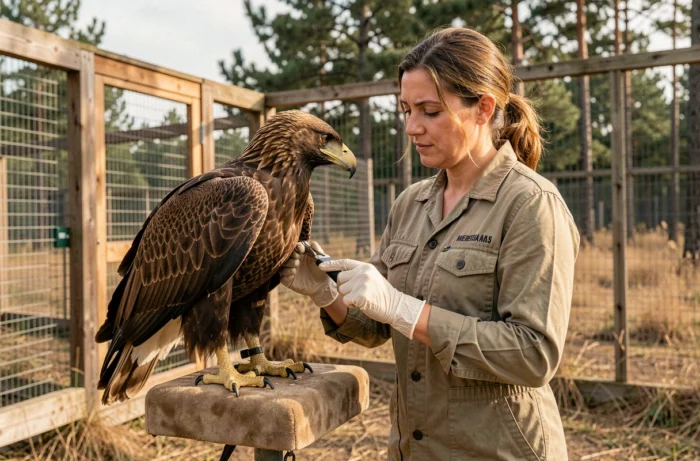
Animal news is about more than viral kitten videos or spectacular zoo births. Behind every wildlife story lies a trade-off between human activities and the living conditions of species. The European Union is preparing to revise its rules on poultry, a field study in the Ardennes is exploring the effects of anaerobic digestion on wildlife, and bird flu restrictions are reshaping the trade in live animals.
Anaerobic digestion and wildlife: what the Ardennes study reveals
Anaerobic digestion, a process that turns organic matter into energy, relies in part on intermediate crops grown for energy. These fields, sown between two main crops, supply the digesters. Their presence changes the agricultural landscape and, in turn, the habits of local wildlife.
In the Ardennes, a doctoral student at the University of Reims Champagne-Ardenne conducted a field study on how two species use these crops: roe deer and partridges. The results show that tall crops provide cover for roe deer, which shelter in them. The effect on partridge movements, however, still raises questions.
The researcher notes that the study does not yet make it possible to determine precisely how roe deer use these crops. This type of research remains rare in France, and there is not enough data to assess the actual impact on wildlife movement corridors. Following the latest news on La Maison des Animaux is a way to stay informed about issues linking agriculture, energy and animal life.
This case highlights an angle too often missing from animal news: energy and agricultural choices alter habitats long before a species is officially considered threatened. Intermediate crops are neither good nor bad for wildlife, but expanding them without ecological monitoring raises questions about how decisions are made.
Animal welfare in farming: the European proposal on poultry
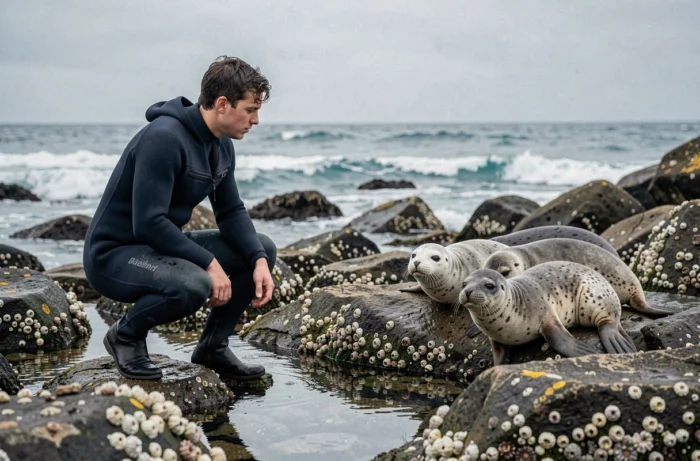
The European Commission has announced a proposal to modernize the standards for laying hens and broiler chickens. Still at the proposal stage, the text envisages several structural changes to the poultry sector.
The proposed measures cover a broad range of issues:
- The phasing out of cages for laying hens, with a 12-year transition period envisaged for existing farms, according to an Agra article published on November 12, 2026.
- An end to the routine killing of male chicks, with a shorter transition period than the one proposed for cages.
- The introduction of welfare indicators measured directly on farms, rather than relying solely on space and equipment standards.
- Equivalent requirements for imports, to prevent unfair competition from non-EU countries with lower standards.
The proposal could also include exemptions for small farms. These details may change before the text is finalized.
What measuring on-farm indicators changes
Until now, European standards have been based on infrastructure criteria: space per animal, access to water and ventilation. The proposal introduces a different approach, focused on welfare indicators observed in the animals themselves (injuries, behavior and mortality).
This methodological shift is significant. A farm can meet all space requirements and still produce animals in poor condition. The reverse is also true: an unconventional system can achieve good results if the indicators confirm it. A recent European decision also allows the use of techniques other than those listed, provided that at least an equivalent level of environmental protection can be demonstrated.
Bird flu and international trade: targeted restrictions rather than an embargo
Bird flu is a recurring topic in animal news, but media coverage often oversimplifies the measures being taken. Current import restrictions do not amount to a general suspension of trade.
Restrictions apply to geographic areas affected by outbreaks, not to entire countries. Some US authorizations have been reinstated following an assessment of the local health situation. This zoning approach makes it possible to maintain trade flows while isolating active outbreaks.
Effects on the movement of live animals
Zoning directly affects farmers and export sectors. A farm located just a few kilometers from an outbreak may fall within a restricted zone, with temporary bans on moving its animals. The economic consequences are real, but so are the effects on animals: keeping poultry indoors for extended periods changes their behavior and increases stress.
Beyond bird flu, the trade in live animals remains a major factor affecting animal welfare. Transport conditions, journey times and health standards vary considerably depending on the destination.
Assessing how human choices affect the animal world: a framework
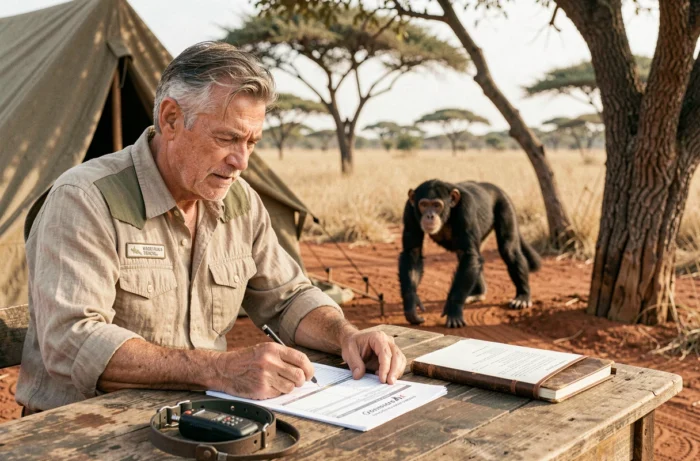
The three topics covered here have one thing in common: they show that agricultural, energy and trade decisions shape animal life just as much as conservation policies do. Protecting a species does not depend solely on creating a nature reserve or banning hunting.
To assess these effects in practical terms, three criteria deserve attention:
- Impact on movement corridors: does a crop, infrastructure or confinement zone alter the usual routes taken by local wildlife?
- Welfare indicators measured in the animals: beyond space requirements, what is the animals’ actual condition in a given system?
- Consistency between domestic standards and import requirements: protecting animals in France while importing products from systems that do not meet equivalent standards simply shifts the problem elsewhere.
These criteria are not theoretical. They reflect the areas of work that the European Union is gradually incorporating into its regulations. Field monitoring, such as the study conducted in the Ardennes, remains the weak link: without local data, regulations are applied blindly. Animal news would benefit from including these structural dimensions, beyond the dramatic stories that dominate news feeds.