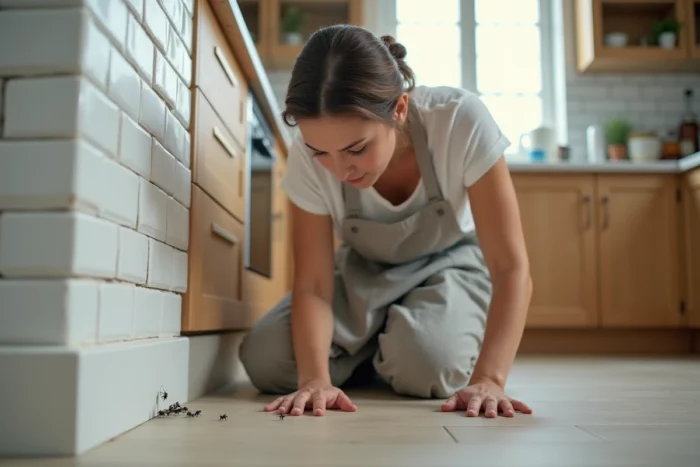
Ophones are small, light-averse carabids, often confused with cockroaches by occupants who find them in the kitchen or bathroom. Their presence in a home rarely indicates a hygiene issue: these predatory beetles hunt other invertebrates and enter houses through door thresholds, technical ducts, and foundation cracks.
Biology of ophones: understanding behavior to target treatment
Ophones typically measure less than one and a half centimeters. Their shiny black bodies, sometimes adorned with metallic reflections, and their thread-like antennae distinguish them from cockroaches, which have a flattened body and visible cerci at the back of the abdomen. A quick examination under a lamp is enough: ophones have prominent mandibles and long legs adapted for running, while cockroaches have a wide pronotum covering the head.
Ophones are strictly nocturnal. We observe peaks of intrusion between April and October, with a marked intensification during prolonged dry spells. External heat reduces soil moisture and drives these insects to seek cooler microhabitats. This is why reports are concentrated in water rooms, basements, and garages.
When you notice the invasion of ophones in the house, the first reflex should be formal identification. Confusing them with German cockroaches would lead to the use of insecticide gels based on hydramethylnon or fipronil, which are completely oversized and unnecessary for non-domiciliary carabids.
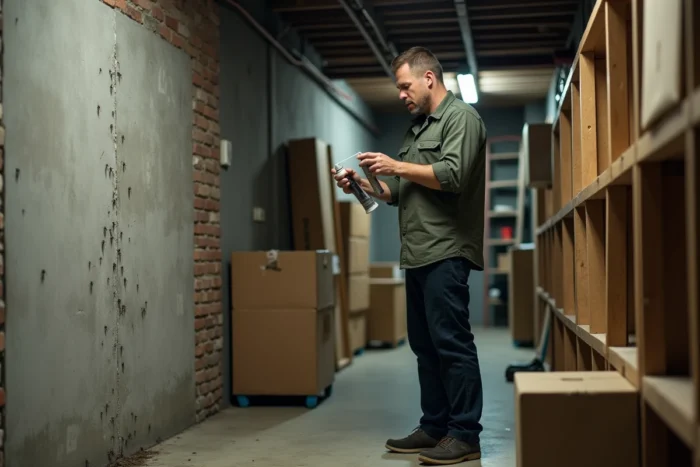
Infiltration thresholds and entry points: technical diagnosis of the building
The majority of ophone invasions stem from sealing defects at the foundation level. Damaged door threshold seals, unsealed electrical duct passages, and cracks in foundation walls are the main pathways.
We recommend a methodical three-step diagnosis:
- Nocturnal inspection with a flashlight along baseboards, under low furniture, and around pipes. Ophones flee from light; their flight response confirms identification.
- Checking threshold seals, garage door flaps, and low ventilation grilles. A gap greater than two millimeters is enough for an adult ophone to pass through.
- Inspecting technical ducts (VMC, cable passages, drains) that cross exterior walls. An aged or cracked silicone sealant loses all barrier function.
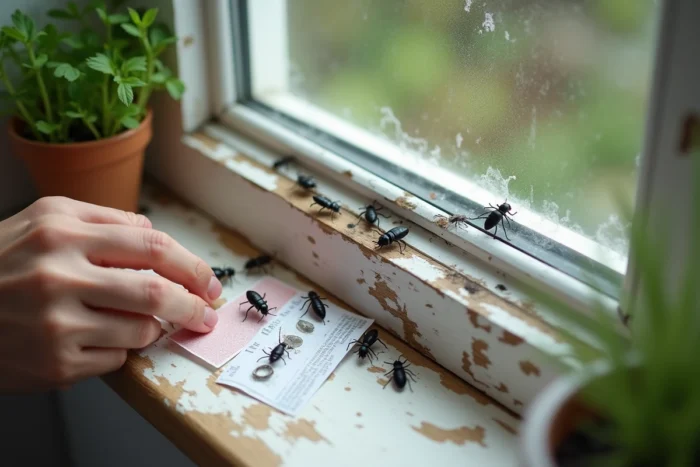
- Examining the perimeter of ground-floor windows, particularly the frames placed on old sills with micro-cracks.
Sealing these access points with polyurethane sealant or suitable brush seals drastically reduces the entry flow. This preventive work is more effective in the long term than any repeated chemical treatment.
Ophones and heatwaves: increasing pressure on housing
For several seasons, pest control professionals have noted a marked increase in requests for intervention related to crawling insects in homes. According to a report from DivertissonsNous dated 2026, requests for professional intervention have doubled compared to previous years, a direct consequence of heat and drought episodes that drive colonies to seek water and coolness inside buildings.
Ophones are no exception to this trend. Their natural habitat (forest litter, damp grassy areas, under stones) dries out during prolonged heatwaves. A poorly watered garden or bare ground around the house amplifies the phenomenon.
Reducing the attractiveness of the home involves managing peripheral humidity. Maintaining a thick mulch around flower beds close to the house provides ophones with an alternative outdoor refuge. Keeping wood piles, stones, and plant debris at least one meter away from walls also limits populations in immediate proximity to facades.
Methods of treatment suitable for ophones in the house
Broad-spectrum insecticides sold in supermarkets (based on pyrethroids like deltamethrin or cypermethrin) kill ophones on contact but do not address the cause of the intrusion. A surface treatment without sealing access points is like emptying water from a boat without repairing the hull.
Mechanical trapping is the most proportionate response. Placing pitfall traps (cups buried flush with the ground, filled with a soapy water base) along exterior walls allows for capturing ophones before they enter. This technique, common in field entomology, works very well in a domestic context.
Indoors, diatomaceous earth applied in a thin layer along baseboards and under low furniture serves as an effective physical barrier. The micro-particles of silica abrade the insect’s waxy cuticle, causing dehydration. Diatomaceous earth acts without any active chemical molecule and remains effective as long as it is not moistened.
Essential oils of lavender or peppermint, often cited as natural repellents, have only a temporary effect on carabids. Their volatility requires daily reapplication, and no published data demonstrates a lasting barrier effect on ophones.
When to call a pest control professional
Professional intervention is justified in two specific cases: a recurring presence despite sealing access points, or a population deemed too dense for individual trapping. The professional has endoscopic cameras to inspect technical ducts and products reserved for certified applicators (Certibiocide).
Before signing a quote, ensure that the provider clearly distinguishes ophones from cockroaches. An incorrect diagnosis leads to costly and poorly targeted treatments. Ask for the precise name of the product used and the active ingredient: a protocol suitable for carabids differs radically from a cockroach treatment.
Ophones do not reproduce inside homes. Their life cycle remains linked to the exterior soil. This characteristic means that a residential invasion eventually subsides once access points are neutralized and external conditions become favorable again, usually after the first autumn rains.